Month: November 2016

  • The HerStories Project Holiday Book Sale

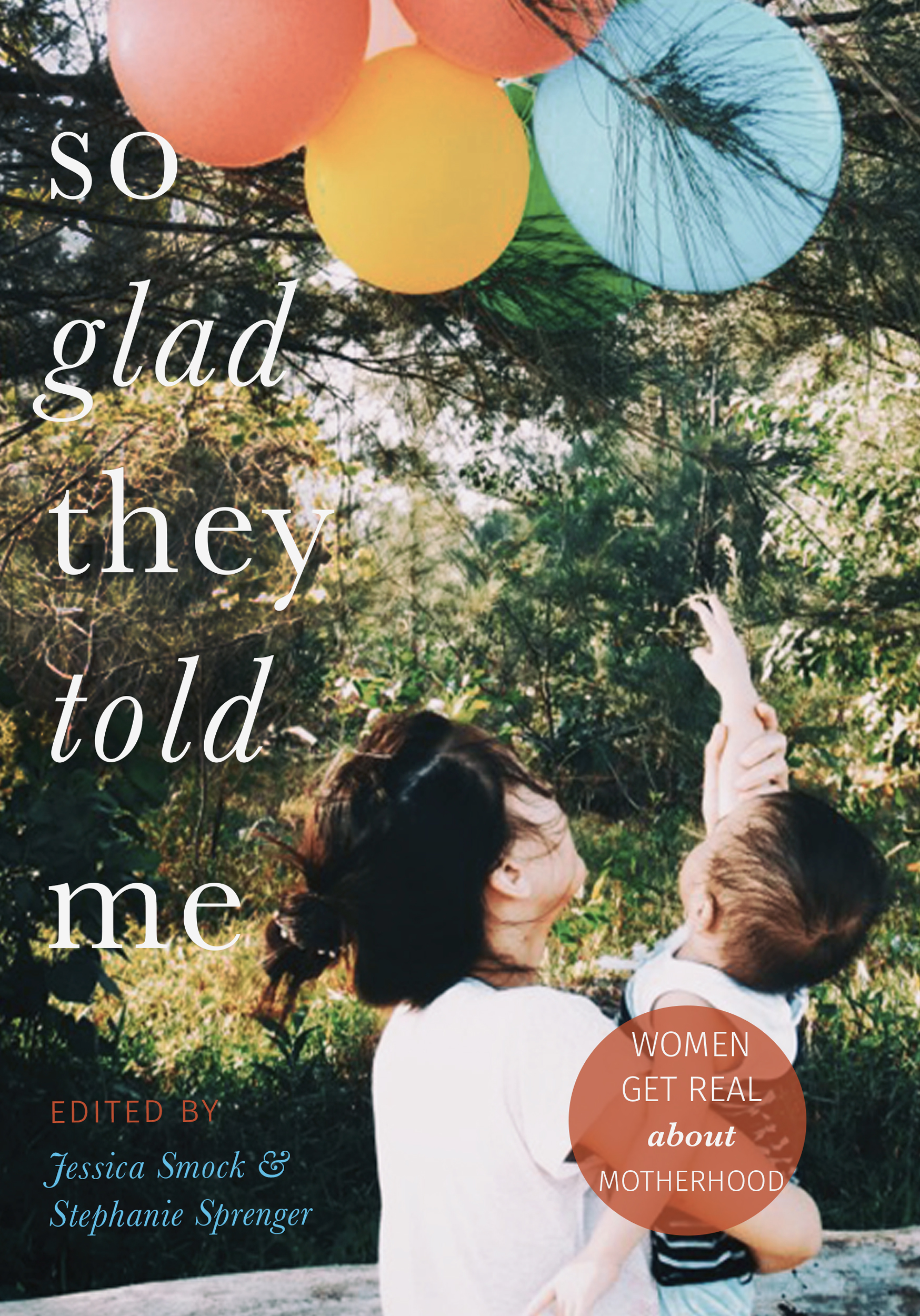
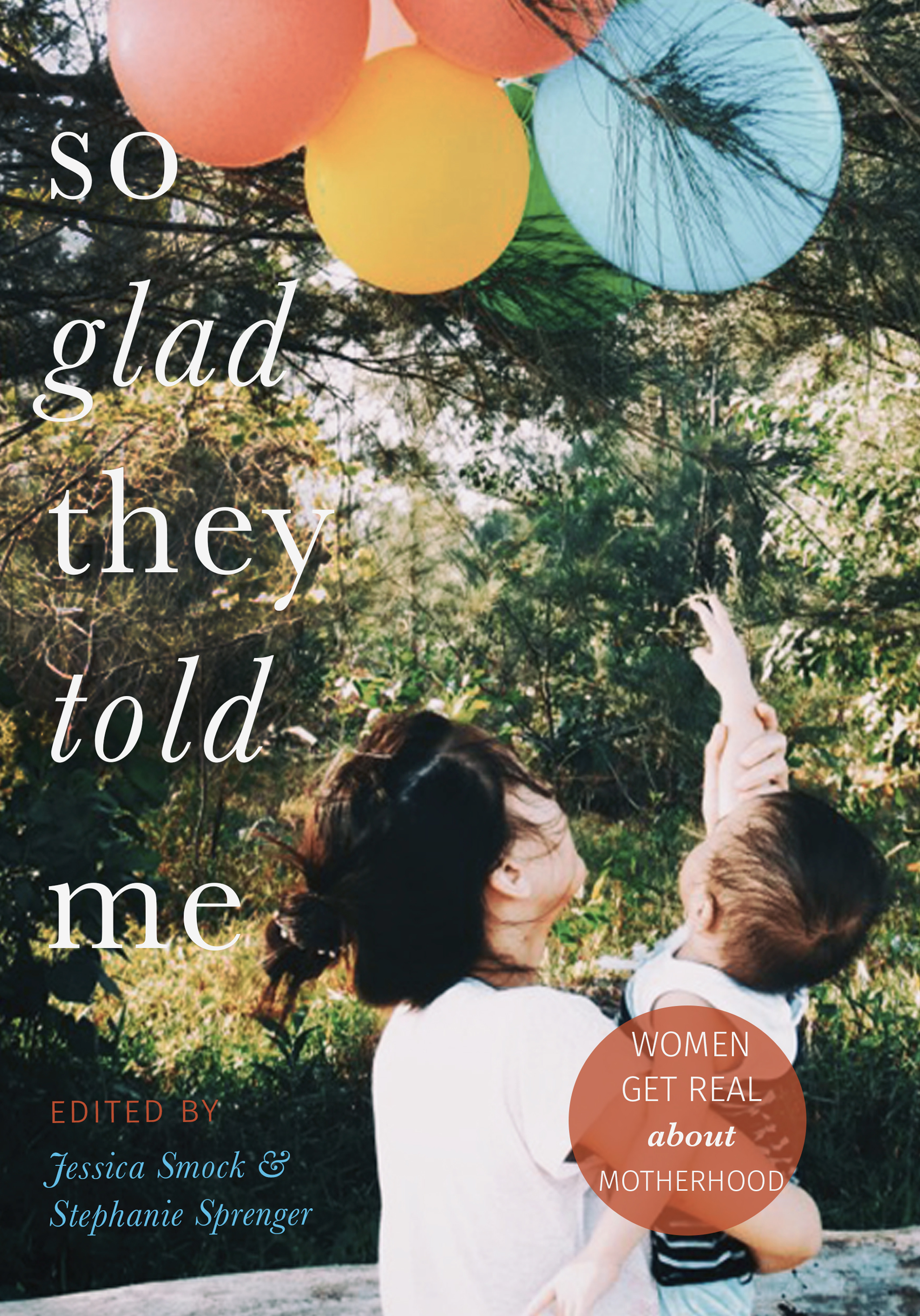
    The holidays are upon us, and we would love to offer our fantastic readers a great deal on book bundles! We think our most recent essay collection, So Glad They Told Me: Women Get Real About Motherhood, is the perfect gift for the moms in your life—your sister, your best friend, maybe even yourself! With relatable, funny, poignant stories about motherhood from pregnancy through the empty nest, there is something in these pages for every mom.

    motherhood-web1 (1)

    So we want to make right now the best time for you to buy, and we’re offering a great deal! When you purchase a paperback copy of So Glad They Told Me, you can add on any of our first three books for just $5, and you’ll get free shipping!

    Here’s a recap of our other books:

    herstories-full

    The HerStories Project: Women Explore the Joy, Pain, and Power of Female Friendship (2014)

    “This series of heartfelt essays, written by and for women, documents the common land mines that cause friendships to splinter and reaffirms the vital importance of these bonds.” – Irene Levine, PhD, author of Best Friends Forever: Surviving a Breakup with Your Best Friend

    My-Other-Ex-final-3

    My Other Ex: Women’s True Stories of Leaving and Losing Friends (2014)

    “These pages beautifully capture the intensity and intimacy of female best-friendship, and, with the benefit of hindsight, lay bare the profound absence that so often follows a friendship’s mysterious end.” — Peyton Price, author of Suburban Haiku

    MOTHERINGTHRUDARK

    Mothering Through the Darkness: Women Open Up About the Postpartum Experience (2015)

    “Every one of these stories is about the descent into the depths, the belief that these mothers feel alone and at fault, and then their recovery. Each story has power on its own, but the essay collection as a whole really drives home to me how many women suffer, how similar their suffering is, and how it’s a tragedy that they think they are the only ones going through this and it is theirs alone to bear.” — journalist Lisa Belkin

    And here’s what you’ll find within the pages of So Glad They Told Me:

    “The personal essays in SO GLAD THEY TOLD ME offer hope, humor, and truth about parenting at all phases—from pregnancy, infancy, toddlerhood, all the way up through empty nest parenting, including topics such as special needs diagnoses, pregnancy loss, surviving colic, parenting a transgender child, and balancing work and family. I’m so glad they told me, and you will be too.” — from the book’s Foreword, Ann Imig Founder, Listen to Your Mother

    “SO GLAD THEY TOLD ME is a must-read for any mother, new or not-so new. With beautiful, funny, smart essays, this is a treasure full of voice, guidance, and best of all, quiet support for all of us. Because despite all of the love that goes into it, what mother hasn’t felt alone in the midst of the wonders of this role? The more voices of support for one another, the better.”

    — Amy JoyceEditor, The Washington Post’s On Parenting

    Learn more about the book and our amazing contributors here. You can add on any of our three first books to your order of So Gladvisit our sales page to order your books today! You can also buy So Glad They Told Me on Kindle right here. Take advantage of two books for just $20– order here!

    Happy holiday shopping! We hope you’ll treat yourself to one of the books– you deserve it!

    Warmly,

    Stephanie & Jessica

    **Our newest online writing course began this week, and there is still time to sign up! We have a few spots still available, and with a nice slow start this first week, you won’t have missed a thing! This self-paced course is four weeks long (with a holiday break) and is unlike any class we’ve offered before.  Using Our Words to Change Our World is for anyone—professional writer, blogger, or not— who wants an opportunity to process our emotions after a difficult election, to understand better how to have an empathetic dialogue with those who may not agree with us, to practice self-care, and to learn from some incredible guest instructors about how to more effectively write opinion pieces. You can find out details and sign up here.

    Keep reading

  • Mothering Through the Darkness: One Year Later

    It’s been just over a year since we published Mothering Through the Darkness: Women Open Up About the Postpartum Experience, an essay collection written by 35 women sharing their experiences with postpartum and post-adoption depression, anxiety, and other mood disorders.

    Since its publication last November, the Singapore Committee for UN Women endorsed the book, and it was one of Foreword Review’s IndieFab Book of the Year Finalists. We still believe the essays in this collection have a powerful message to share. Journalist Lisa Belkin wrote of the anthology:

    “Every one of these stories is about the descent into the depths, the belief that these mothers feel alone and at fault, and then their recovery. Each story has power on its own, but the essay collection as a whole really drives home to me how many women suffer, how similar their suffering is, and how it’s a tragedy that they think they are the only ones going through this and it is theirs alone to bear.”

    Our incredible contributors continue to be powerful advocates for spreading their messages to their community: you are not alone, ask for help, you can get through it.

    Recently, in my home state, the Colorado Department of Public Health and Environment launched an educational campaign to help women recognize the symptoms and get help. As part of Postpartum Support International, this organization shares resources for both mothers who are struggling as well as their family members and friends. It is a powerful campaign designed to spread awareness and make resources for seeking treatment more accessible to mothers.

    This campaign reiterates the important message the contributors of Mothering Through the Darkness conveyed so powerfully:

    800x800-moms2For women with pregnancy-related depression and anxiety, each day can be a struggle. Having a new baby is hard but we can help make it easier for you. You are not alone. You are not to blame. You can get help. http://www.postpartum.net/colorado #youarenotalone #Colorado #newmom #mentalhealth #PRD

    One of the campaign’s most important messages is how to support a loved one experiencing postpartum depression and other perinatal mood disorders. They remind us: 

    Pregnant and new mothers need empathy and support from loved ones. They may find it hard to be honest about their feelings and accept help in the beginning. Be patient and be available.

    • Encourage her to get help from a professional.
    • Help her find a support group and local resources.
    • Spend time listening without needing to offer solutions and advice.
    • Look after the baby or older children, or discuss other childcare options so she can have a break.
    • Take a simple action like cooking and cleaning without taking over these activities or expecting anything in return.
    • Encourage her to take care of herself by eating, resting, walking and limiting alcohol use.

    If you are suffering, please remember that you are not alone, you are not to blame, and help is available to you. If you have a loved one who needs help, please reach out. You can find more information on the campaign, including resources for families, here.

    For providers and others (bloggers, advocates) who want to spread awareness and provide resources, please use this fantastic toolkit. We encourage you to spread this message on social media, so please take advantage of the materials here!

    And to the brave and gifted writers who shared their words with us in Mothering Through the Darkness, one year later, we are still so grateful for your words, so moved by your stories, and so honored to have worked with you on this deeply important project. Thank you so much.

    ~Stephanie & Jessica

    **You can order a copy of Mothering Through the Darkness: Women Open Up About the Postpartum Experience here.

    **We recently announced our brand new online writing course, which will begin November 28th. Using Our Words to Change Our World is for anyone—professional writer, blogger, or not— who wants an opportunity to process our emotions after a difficult election, to understand better how to have an empathetic dialogue with those who may not agree with us, to practice self-care, and to learn from some incredible guest instructors about how to more effectively write opinion pieces. Please join us for a unique self-paced course unlike any we have ever offered– it will undoubtedly be a powerful experience within a supportive community. You can find out details and sign up here.

    **You can purchase our most recent essay collection, So Glad They Told Me: Women Get Real About Motherhood, right here. Like Mothering Through The Darkness, it aims to make motherhood less isolating and to shed light on those less-than-perfect moments and real life parenting challenges.motherhood-web1 (1)

    Keep reading

  • How To Deal With Gossip a Friend Said About You

    In this month’s HerTake question, Nina discusses hearing third-hand what a friend said about you. Let us know what advice you have for this month’s letter writer and her struggle with how to deal with gossip.

    Do you have a question for Nina? Use our anonymous form. You can read Nina’s answers to past questions here.

    Dear Nina,

    I have a friend, “Lisa,” who I was very close to, but about a year ago we drifted due to her traveling and some comments she made regarding special needs kids (knowing I have one).

    Last week I was having lunch with a mutual acquaintance from our book club, Megan, who told me that Lisa approached her while watching their daughters’ basketball practice. Lisa started asking Megan about another friend’s political affiliation and religious beliefs, and during the conversation Lisa referred to my husband as a traitor of Jews since he is a Republican. I am very hurt and dismayed by this and he is, too.

    My daughter and Lisa’s daughter are friends, but they are too young to be friends without us arranging playdates. Others have told me not to confront Lisa. What is your advice for how to deal with gossip?

    Signed,

    I Heard It Through The Grapevine


    Dear I Heard It Through The Grapevine,

    You asked whether you should confront Lisa. My short answer: no.

    While it seems the “culprit” in your question is Lisa, I find more fault with Megan who had no business repeating Lisa’s words. What was Megan thinking?

    Was Megan hoping to make you more upset with Lisa than you already were? Does she have a stake in you feeling closer to her than to Lisa? Does she not like that your husband is a Republican and this was her way of letting you know? I’m actually getting increasingly aggravated at Megan as I write this.

    Don’t Repeat Gossip

    I’m asking these questions not because I think you know the answer. Rather, I think it’s important to acknowledge that we rarely act with no intention whatsoever so it’s safe to assume that Megan had some purpose in mind when she repeated the conversation to you. Now to be fair, Megan’s intention was likely the most benign type. I bet she was simply trying to be a good friend. But I would hope most adults know that repeating what one person said about another is not being a good friend. It just isn’t.

    Hey friends of mine who are reading this—listen up! I don’t want to know anything bad somebody said about me, especially if I don’t know the context and if it’s only going to make me feel awful about myself or about my friend.

    I can hear some of your voices, dear readers. “But Nina, how can someone who said anything about you truly be your friend?”

    Ladies, come on now. We all know darn well that we say things we regret when we are upset, jealous, trying to gain favor, or just having an overtired, overworked moment. We hopefully, with age and experience, get more dignified with our tempers, jealousy, and whatnot. But we have all been in Lisa’s shoes, have we not?

    I Heard It Through The Grapevine: if you have never uttered a questionable statement about another person, then you can perhaps demand an explanation from Lisa. But if you have been in Lisa’s shoes, then I would let this one go. It sounds like you have already drifted from her so a confrontation at this point seems wholly unnecessary and more personal drama than it’s worth.

    Sure, the idea that Lisa was asking, seemingly for the purpose of gossip, about another friend’s political and religious beliefs is egregious. And I will hardly address Lisa’s alleged point about Jewish Republicans being “traitors” except to comment that it was a chutzpadik thing to say if she indeed said it. Nobody—not even a group “insider”—gets to speak for that entire group. The end.

    Confront the Gossiper?

    Let’s get back to Megan. If you’re going to confront anyone, I’d go with Megan. It’s one thing to vent about a friend. Fine, most of us have been guilty of that. But to wedge yourself between two friends by repeating what one said about another is a worse crime in my opinion.

    You can let Megan know that in the future you’d rather not know what anyone says about you. Despite the human nature in all of us that makes us think we want to know everything, I promise that this type of information never leads to any good. With that in mind, I’m not sure it was necessary to repeat the comment to your husband, but I get that you were upset about the situation and looking for support. Your husband was the obvious choice and it was better to vent to him than to further make both Lisa and Megan look bad in the eyes of your mutual friends. (Thereby doing more damage with gossip.)

    Advice From Nina’s Mom About How To Deal With Gossip

    For what it’s worth, I sent your question to my mom (who is the most skilled anti-gossip person I know), and I reviewed her answer before I wrote my own answer. It mirrors my sentiments, but it has the extra Kathy flair. I want to share it with you.

    “Grapevine must ask herself why this Megan repeated the hurtful comment in the first place. What was her motive? Was she trying to stir up trouble? In other words if Grapevine didn’t actually hear Lisa’s comment, then she doesn’t know what was actually said, or if it was said at all. I have found that the person who repeats hurtful comments is worse than the person who allegedly made the statement. Since Grapevine was not part of the original conversation, then a confrontation is pointless.”

     Readers, since my mom and I are on the same page, I’d love to hear from anyone who has different advice for Grapevine about how to deal with gossip. And if you want further (and more heated) conversation about friendship and politics please read my editor Jessica Smock’s piece written before the election.

    Thanks for sharing your dilemma, Grapevine. I think it’s one many readers can relate to from your experience, Lisa’s, and Megan’s.

    Good luck!

    Nina

    FULL RES - Badzin-03 copy-1You can follow Nina on her blog, on Facebook, and on Twitter.

    We’re always looking for new reader questions for Nina! If you have a difficult friendship situation that you’d like advice on, fill out our anonymous contact form.


    **Read our powerful November Voices column, “The Healing Notes of Song” here.

    **Have you grabbed your copy of So Glad They Told Me: Women Get Real About Motherhood yet? It’s now available on Amazon as a paperback or Kindle copy! (Makes a wonderful holiday gift for moms!)

    motherhood-web1 (1)

    Keep reading

  • HerStories Voices: The Healing Notes of Song

    Happy November. Our theme this month is gratitude, which is one of my favorite topics to write about. This week’s essay may require some Kleenex. I was incredibly touched by Sarah’s story of music, healing, and gratitude. I believe in the power of music to heal. I hope you enjoy – Allie
    HerStories Voices

    My children recently attended a music class at the library. It was a wild, over-crowded affair, but it made the kids smile. They enthusiastically shook tambourines, swirled scarves in the air, and stomped their feet as they sang songs about birds, the sunshine, and a ladybug.

    As I watched my strong and healthy children dance and laugh their way through class with the other pre-school aged children, I couldn’t help but compare the experience to a music therapy session I observed many years before.

    At the time, I was twenty-four, and my fourteen-year-old sister was recovering at Penn State Milton S. Hershey Medical Center after suffering from a brain hemorrhage. After brain surgery, days in a coma, and then weeks in the ICU at another hospital, she entered the rehabilitation program at Hershey to re-learn how to speak, eat, walk, and basically every other function that comes naturally to an average teenaged girl.

    As her mental and physical functions were gradually restored, and she was more able to interact with the world around her, she began to participate in some unique therapy sessions, such as music therapy.

    On the first day of music therapy, the therapist placed a tambourine in her hand, but it immediately fell to the ground with a chorus of clangs. She simply did not have enough strength to even grasp the instrument.

    For the remainder of class, she slumped in her wheelchair as I helped her hold the tambourine. As the therapist led the class in a song with lyrics containing the phrase, “happy and delighted,” I wondered if my sister would ever feel those emotions again.

    For several weeks, she lacked the awareness to even react to the music; however, as motor and cognitive skills returned and she could again do things like brush her teeth, music therapy became even more engaging and beneficial to her. Eventually, my sister could grasp the tambourine or bang the drum with success, and as her speech became clearer, she even sang along to the music.

    During my sister’s last therapy session, we sat next to her roommate, an eleven-year-old girl with leukemia. She had been discharged and then re-admitted during the five weeks we had spent at Hershey. She looked even paler and weaker than before, and she no longer smiled.

    Another girl was new to the group. She had been in a car accident with her family, leaving her paralyzed from the neck down. She had little hope of recovering movement.

    The music therapist tried to engage all of the girls by playing the guitar and asking them to share something that made them happy. Neither of the other girls said they were happy about anything. Eventually, one was finally encouraged to say, “Mashed potatoes.”

    My heart felt heavier and heavier as the session progressed. These girls could not think of one thing that provoked joy. Would they ever find anything to be happy about?

    When it was my sister’s turn, she looked at me and said, “I get to go home.” I should have only been thrilled to hear this, but I couldn’t help but think of how unfair it was that those two girls might never get to say the same.

    The therapist then tried to urge the group to play various instruments. My sister selected bongos and began playing enthusiastically. The girl with leukemia initially refused to participate but then resigned herself to limply clapping her hands. The paralyzed girl tried to blow on a party horn, but she was too weak to hold it between her lips.

    As the noise in the room escalated, my sister, still in a wheelchair, stopped beating the bongos, reached over, and held the instrument to the girl’s mouth. The two briefly made eye contact, but the music was the only communication between them.

    This scene replays in my mind when I hear the sound of bongos, see a party horn, or watch my own able children dance their way through a music class. I often wonder what ever happened to those two girls. I want to believe that they are somewhere enjoying music and able to quickly list many things in which they find happiness. However, I know that not everyone heals. Not every patient gets to leave the hospital. Not every child gets the chance to sing and dance her way through life.

    I am so thankful that my sister got to continue her dance through life. After leaving the hospital, her love of music only grew. Her body and brain slowly healed during months of outpatient programs. She eventually returned to her own high school to graduate with her class.

    She now lives in Music City and attends concerts regularly. Just last year she smiled through her wedding ceremony as her husband played guitar and serenaded her with a song he wrote.

    My sister doesn’t remember much of her rehabilitation at Hershey, but I like to think that she still, somewhere deep in her subconscious, hears chords of the songs she sang in therapy all of those years ago.

    Maybe when she faces struggles in life, she can hear the reverberation of a tambourine, shaken wildly, but joyfully. Maybe the phrase “happy and delighted” runs through her mind when she sees something beautiful. Maybe those healing notes of music that helped stitch together the wiring in her brain and helped her recognize the world around her again, maybe those notes play on for her.

    They play on for me.

    I hear them when I press play on the car stereo, so my son can listen to his favorite song “just one more time.” I feel them when I abandon dirty dishes in the sink to go help fasten my daughter’s Cinderella costume, so we can dance at a pretend ball.

    The echo of songs from long ago remind me that life is short and unpredictable, so I encourage my children to always sing strongly, play loudly, and dance wildly because others cannot. I hope this is a lesson that hums through their veins not just during music class but throughout their entire lives.

     

    me-2Sarah is a current stay-at-home mom. After years of teaching high school English, she is enjoying focusing on her two children while learning to slow down and look at the world through their eyes. She has learned more about dinosaurs and princesses in the past few years than she ever thought possible. Sarah writes about parenting on her blog, One Mile Smile, and has recently been published in the following sites: Mothers Always Write, Parent.Co, and Her View From Home. Find her on Instagram and Facebook.


    **The holidays are upon us! So Glad They Told Me: Women Get Real About Motherhood makes a great gift!

    motherhood-web1

    Keep reading

  • Can Your Friendships Survive Donald Trump?

    ending friendships over trump

    Thomas Jefferson wrote:

    “I never considered a difference of opinion in politics, in religion, in philosophy, as cause for withdrawing from a friend.”

    Yet Thomas Jefferson never had endure a campaign between Donald Trump and Hillary Clinton. What would he say about arguing over the Muslim ban? Or building a wall to keep out the “Mexican rapists” and criminals? Or fights about private email servers? Or bragging about sexual assault? Would the America of this election cause him to rethink this idealistic view of friendship?

    What is politics, really?

    Is it about differences in how to write the tax code, in how to interpret particular amendments to the Constitution, in how to eliminate the debt, in how to protect the environment, in whether or not to sign trade agreements?

    Or is politics about something much bigger? About how we treat others who are different than we are? About the culture that we want to create for our children? About whether our country’s best days are behind us or right in front of us?

    Is politics at its core really about — as a viral article (“I Didn’t Unfriend You Over ‘Politics'”) — nothing less than morality, decency, and humanity itself?

    In that article, Jennifer Sullivan writes:

    “I will not be made to remain friends with people who see [Trump’s] continued attempts at oppression and discrimination as an ‘inconvenient consequence’ of ensuring that their party remain in power. Because ultimately, if discriminatory practices aren’t a deal-breaker for you, if they don’t inspire in you a pain and an anger so heartbreaking that it leaves you aching for your less-privileged neighbor, then I don’t want to know you. And I shouldn’t have to simply because we shared the same floor freshman year of college.”

    Our Friendship and Election 2016 Survey

    During this campaign, I have struggled with these questions, and when we asked about this topic in our Friendship and Election 2016 survey, I was hoping that many of you had good answers. It turns out that most of you are just as confused and pained as I am about friendship and politics, for the first time in your lives.

    I’ve been unfriended by relatives, I’ve cried when I’ve read words defending sexual assault from friends that I’ve formerly respected, and I’ve unfriended others who post positions so racist, so vile, and so uncivilized that I have begun to fear that I never knew my country at all. I’m certainly not alone.

    About Half Lost a Friend

    About 55% of the respondents to our survey told us that they have lost a close friendship because of the election. Nearly three-quarters have unfriended or unfollowed a close friend or family member on Facebook during this election.

    • Christy of Educate to Eliminate: A man who is like a father to me, who walked me down the aisle at my wedding, unfriended me and has stopped all communication with me. He’s known me my whole life and just recently didn’t acknowledge my birthday which he does every year.
    • Elura N.: I’ve lost serious respect for people I actually know. I’ve had strained relationships and conversations with family members with whom I’ve never seriously disagreed about anything. I’ve unintentionally offended and antagonized people I trusted to have moderate views by being surprised about their willingness to tolerate sexual assault, racism, and authoritarianism.
    • Christina L.: I found out a few of my oldest friends from middle/high school had strong opinions about immigrants, and spoke out as firm Trump supporters. I am a first generation Asian American, and was deeply troubled by their positions, some of which were laced with racist overtones. I initially challenged some of their views but have quietly distanced myself from the rest. It’s not a large number, but enough for me to question whether they understand how hurtful it is for someone they consider a friend.
    • Joy of Evil Joy Speaks: When women I know who have daughters the same ages as my girls support Donald Trump, it makes me question what they values they hold. I want to empower my girls and teach them to be fierce. In turn, I make sure playdates don’t include political or religious discussions by adults in earshot of children. I also note with whom I will no longer have political or religious discourse.
    • Julia: I can’t talk to some friends about the election and I avoid them. It’s too upsetting to me. I’m very careful to know where someone stands before I mention politics because I’ve been sexually assaulted and I don’t think I could remain friends with someone who supports or votes for Donald Trump.
    • Erendira of Rejoice Beloved: I am a Christian and am part of the #NeverHillaryorTrump camp. A group of our friends are Trump supporters and because of our biblical convictions, we could not reconcile (as our friends did and still do) standing for Christ while parking our faith at the door in support of a candidate who is double-minded in all his ways.

    Should You End Friendships Over Politics?

    Respondents were evenly split on whether, even during this election, we should seek to listen, to respect, and to maintain friendships with friends on the opposite side of the political spectrum.

    About a third said that they find nothing wrong with severing ties with friends who are supporting Trump. (No one mentioned severing ties over supporting Clinton.)

    • Laura: I’m trying to see this as just one part of a person, but in this election, it’s so much more than that. The severity and ugliness of Trump and his supporters has permeated my view of some friends and close family. I respect them less and am less interested in trusting them.
    • Kristin: I normally have no problem with maintaining diverse friendships, but this year I knew I personally could not look my Muslim or gay friends or my Mexican-American sister in law in the eye again if I didn’t clearly state how very against Trump I am. I believe any friendships lost this time around weren’t real friendships if I could not keep my integrity around them and speak my mind. I think a lot of people who hid racist tendencies under coded language and silence before have been exposed, and I refuse to just sweep that under the rug for politeness’ sake anymore .
    • Julia: Bring it up as rarely as possible. Don’t let it affect your friendship unless it means looking the other way about something that is one of the tenets of your life or is critical to human rights and of moral obligation (racism, sexism, gay rights). I decided about a month ago I’d give up a friendship if someone strongly supports Trump. He’s a dangerous man worth ending a friendship.

    Dialogue or Avoidance?

    Another third of respondents were divided between those who welcomed dialogue and discussion and those who said that the best strategy was to avoid talking about politics altogether:

    • Laurel: I find it best to be an active listener, have an open mind and see someone else’s perspective. But I keep most of my political views to myself until I know where the other person stands on a candidate. This election in my opinion, has been polarizing on a gender basis, not a political party basis. I find myself feeling safe to talk with other women about the election, no matter their affiliation. I do not find it safe to talk to men, even family members about it. I get very upset when I have to explain how hurtful the misogyny practiced by the candidate and his backers against women feels.
    • Stacy M. of The Novel Life: Don’t talk politics. period. With several extended family members voting for Trump we have a very, very strict line in the sand about discussing politics. I don’t think we could ever come back to our good relationships if we got into a discussion. I’m not willing to lose family members over Trump or Clinton.
    • Gretchen of Drifting Through My Open Mind: I’ve been trying to remember that they have fears that are probably compelling them to vote a certain way. Or issues that they are just as passionate about as I am about mine. At some point you have to agree to disagree.
    • Mandi C.: Walk away slowly.
    • Sarah C. of Housewife Plus: I still maintain friendships with several folks who are following Trump, but they have never said aloud or demonstrated the gross sexist attitudes that Trump has. While I vehemently disagree with these friends’ political views, they have been respectful in the way they express their political leanings and I can respect that.
    • Morgan H.: Don’t get personal and see things through life experiences.
    • If you’ve seen evidence your “friend” is a decent human being in non-election years, get over *yourself*. There is more to life than electing a new POTUS. Be compassionate and magnanimous. If you are ugly to others, will it reflect well on your chosen candidate? Additionally, consider you may have become a crushing bore with incessant political talk/preening. Are *you* loveable? Extend the same grace to others you’d appreciate.
    • MyLove Barnett: My super close friends and I have made a deal to not discuss it at all. We talked about it earlier in the election cycle, around the time of the primaries. But we don’t agree and we know we don’t agree and we love each other too much to even talk about it right now, because we are all so passionate in our views. We’ve decided that since we can’t change each other’s minds, it’s a moot topic of conversation. As far as online relationships, if the same comes up with close online friends, I simply unfollow their feed so that I don’t see it. And if I do see it, I don’t engage.

    We’re All Clueless

    Some just aren’t sure. The last third of respondents said they had no idea at all what advice they would give about navigating friendships during this election.

    • Stephanie: I have no idea. I’ve literally never experienced this before. The fact that this election really transcends political values is probably the reason — the human rights issues, sexism, racism, general character flaws of a candidate, have gone so far beyond Republican/Democrat political differences that I have no idea how to navigate it. I’ve never had this kind of a problem with my own reactions to Republican friends or family members. I guess I’m more surprised by my own vitriol toward Trump supporters and I just don’t know how to handle it.

    I’m uncomfortable with these divisions. They aren’t good for our country or for our relationships. I don’t want to live in a bubble, only interacting with people who think like I do. However, more and more it seems that are political differences are no longer about genuine philosophical splits. They’re tribal. They’re about human rights. They’re about how we see the world and our fellow citizens. They’re perceived by many as a fight between good and evil — and the frightening thing to me is that I’m not sure that they’re wrong.

    They are about so much more than politics.

    Do you think that these divisions — within our country and in your own life — will get better after Election Day?

    Keep reading