Ironically, as a reader, I never used to be a fan of anthologies or collections of personal essays.
As a teacher, I did love showing students how to write personal essays or short memoir pieces. As an English teacher and a writing instructor, it often felt miraculous to me how a mediocre piece could be transformed in just a few short weeks through revision, how a piece could evolve from bland and cliched to raw, powerful, and beautiful. But I never liked reading short pieces in my leisure time.

It wasn’t until I started writing as a blogger and freelance writer that I started to appreciate collections of personal essays as a genre. I love seeing writers that I “know” online take different perspectives and approach topics with unique styles. (The anthology published by Brain, Child Magazine called This Is Childhood, featuring ten of my favorite writers, is a wonderful example of this.) As a parent, reading about other mothers’ experiences from so many different angles has helped me gain insight into myself as a mother.
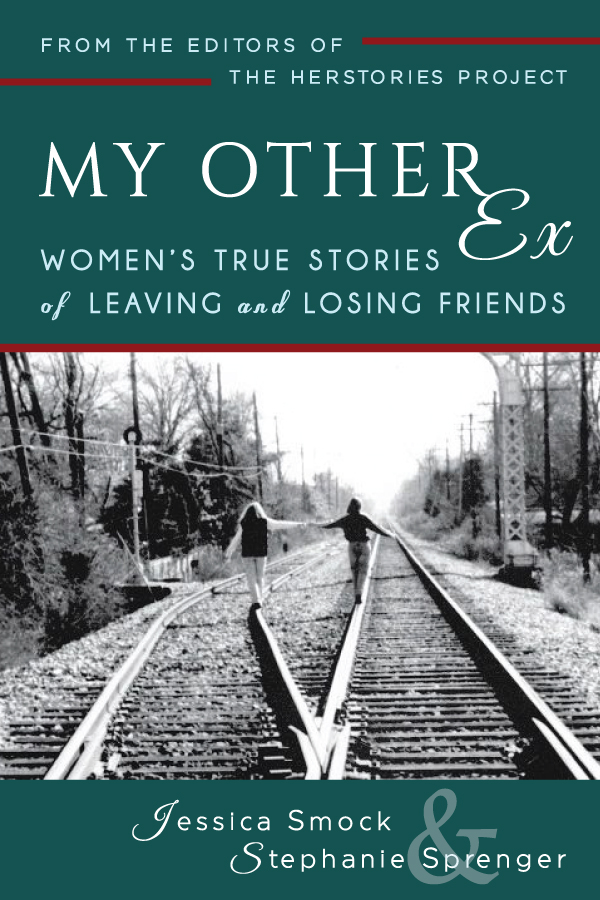
I’ve been thinking a lot about personal essays from three different perspectives: as a reader, as a writer, and now as an editor. I’ve been trying my hand at publishing my own pieces, and I know that it’s hard, really hard, to write a great personal essay. After our call for submissions for My Other Ex: Women’s True Stories of Leaving and Losing Friends, I also spent months reading essays with an editor’s eye, trying to decide which pieces to accept and which to pass on. And that was just as hard.
And it occurred to me as a beginning editor that we editors are not often transparent about what we are looking for. I’m lucky in the sense that I taught writing and developed writing curricula for well over a decade, and all of the best practices (and unwritten rules) of memoir and essay writing are (somewhat) fresh in my mind. But most of us writers haven’t taken an English class in quite a while. And we aren’t recent MFA graduates either.
So here’s what I think — as a teacher, writer, editor, and reader — about the ingredients of a great personal essay, one that is carefully crafted to draw in a reader, make her care about a topic, and keep reading.
1. Use what you know about good fiction and storytelling. You should develop characters, settings, and plot (a sequence of events) into a story. Use sensory details and vivid description to create separate, carefully chosen scenes.
2. Combine the personal and the universal. This is your story, your life, your emotions but your writing should also express and reveal a larger meaning, a theme, a deeper truth, beyond the surface details of plot and character.
3. Find your voice. More importantly, find your unique voice that is best for each piece, or different moments of the same piece. As Kate Hopper, in the invaluable Use Your Words: A Writing Guide for Mothers , explains, voice is:
“the feel, language, tone, and syntax that makes a writer’s writing unique. In nonfiction, voice is you, but not necessarily the you sitting in front of the computer typing away. Voice can be molded by a writer to serve the subject about which she is writing.”
It might take a while to find the best voice for a piece. Is the right voice ironic, funny, anxious, playful, breathless, or solemn? We all have multiple identities and show different parts of ourselves at different times. Use that versatility in your writing.
4. Alternate focusing in and focusing out. Choose specific and compelling moments, memories, and feelings, and hone in on them, using those particular moments to help to convey theme and purpose. Pretend you are using a video camera to focus in and out, slowing down the action, like a cinematographer, very purposefully to guide the reader toward what’s important in the piece.
5. Be specific, not general. This is what I called “The Rule of the Pebble” to my students (thanks to Nancie Atwell, my writing teacher guru). It basically means don’t write about a general topic or idea; write about one particular person, place, time, object, or experience. In other words, don’t try to write about all pebbles everywhere (or “love” or “friendship” or “football” or “sunsets”). Write about this one particular pebble (or the friend that broke your heart freshman year, or the sunset that you saw last night, or memory, or place), its meaning to you, the concrete details that shape how you think about it.
William Carlos Williams’ advice for writers:
Say it, no ideas but in things.
6. Experiment and play. Try out different literary devices and techniques, such as similes, personification, and metaphors. Or experiment with using different sentence lengths strategically. Use repetition, of words, of lines, of phrases. Play with imagery. Many of these devices should only be used sparingly, but, used effectively, they can add surprises and richness to your writing.
7. Learn the difference between revision and editing. You must do both. It’s easy as a writer to focus on spelling errors and sentence structure, rather than making big (painful) changes to our writing. Revision means “to look again.” You do things like: make sure that your theme and purpose for writing are clear; try out different leads (ways to begin the piece); rethink your conclusion; change the organization.
In editing, a separate stage, we do things like catch run-on sentences, fix errors in punctuation or spelling, or replace overused words and expressions.
8. Read, read, read, and read some more. What all writers have in common, as far as I know, is that they’re constantly reading. They pay attention to their favorite writer’s craft and style and try them out in their own writing. They internalize the beauty and the utility of the perfect word, the perfect sentence, and the perfect metaphor.
Keep reading

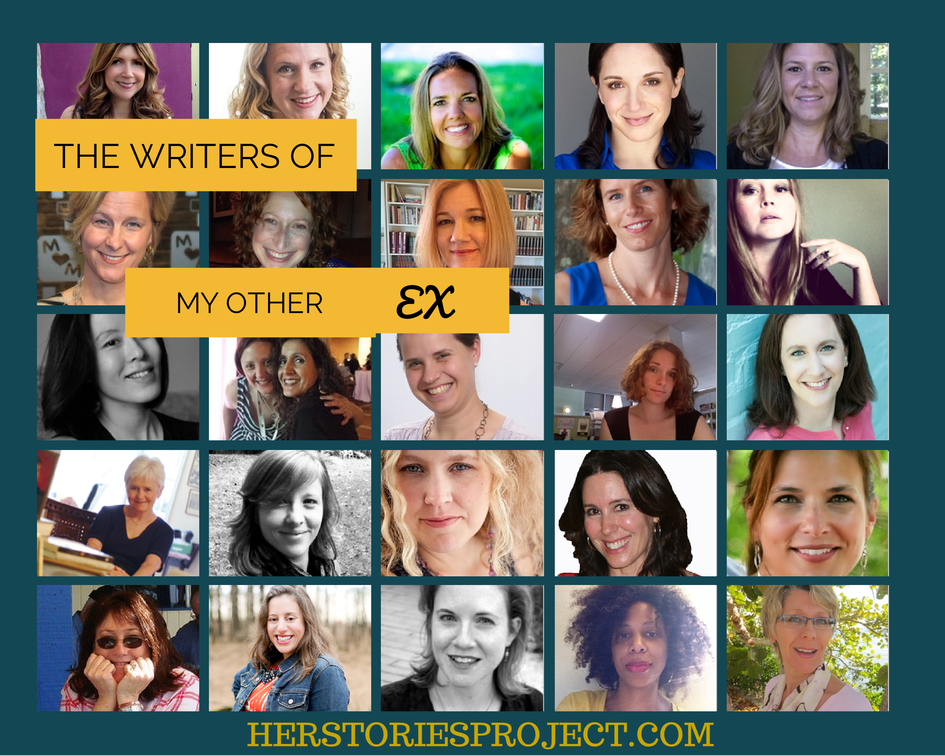 Writing about failure in relationships — whether in romance or in friendship — takes an enormous amount of guts. It’s brave to admit ways in which our own actions and personalities may have contributed to the loss of a person from our lives who was once dear to us. It’s brave to put these raw truths — from one woman’s perspective — out into the world in the form of a compelling, honest story.